Introduction
Kebab is one of the most beloved and recognizable foods in the world. Known for its rich flavors, aromatic spices, and diverse preparation methods, kebab has become a culinary favorite across continents. Whether served on skewers, wrapped in flatbread, or presented alongside rice and vegetables, kebab continues to attract food lovers from every corner of the globe.
The term “En Kebab” is often associated with discussions about kebab culture, recipes, restaurants, and the history behind this iconic dish. Over centuries, kebab has evolved from a traditional meal prepared over open flames into a global culinary phenomenon enjoyed in countless variations.
From bustling street food markets to fine dining establishments, kebab remains a symbol of flavorful cooking and cultural heritage. Its popularity stems from a combination of simplicity, versatility, and satisfying taste. Understanding kebab requires exploring its fascinating history, preparation methods, cultural significance, and enduring appeal among food enthusiasts worldwide.
The Historical Origins of Kebab
The story of kebab begins centuries ago in regions of the Middle East and Central Asia. Historians believe that early forms of kebab emerged when soldiers and travelers cooked pieces of meat over open fires using swords or metal skewers. This practical cooking method allowed meals to be prepared quickly while enhancing flavor through direct heat.
Over time, different cultures adapted the concept to suit local ingredients and culinary traditions. As trade routes expanded and civilizations interacted, kebab spread across vast geographic regions. Various communities introduced unique spices, marinades, and cooking techniques.
The result was a wide range of kebab styles, each reflecting regional tastes and traditions. Despite these differences, the core concept remained consistent: seasoned meat cooked with skill and care to create a flavorful dining experience. Today, kebab’s rich history continues to influence modern culinary practices around the world.
The Cultural Importance of Kebab
En Kebab is more than just a meal. In many cultures, it represents hospitality, family gatherings, and shared celebrations. Preparing kebab often involves traditions passed down through generations, connecting people to their heritage and culinary roots. Across the Middle East, South Asia, the Mediterranean, and parts of Europe, kebab plays an important role in social and cultural events.
Family gatherings frequently feature large platters of freshly grilled kebabs accompanied by bread, rice, salads, and sauces. The communal nature of these meals encourages conversation and strengthens social bonds. Food has long served as a powerful expression of culture, and kebab is no exception. Its enduring popularity reflects both its delicious flavor and its ability to bring people together around the dining table.
Different Types of Kebab Around the World
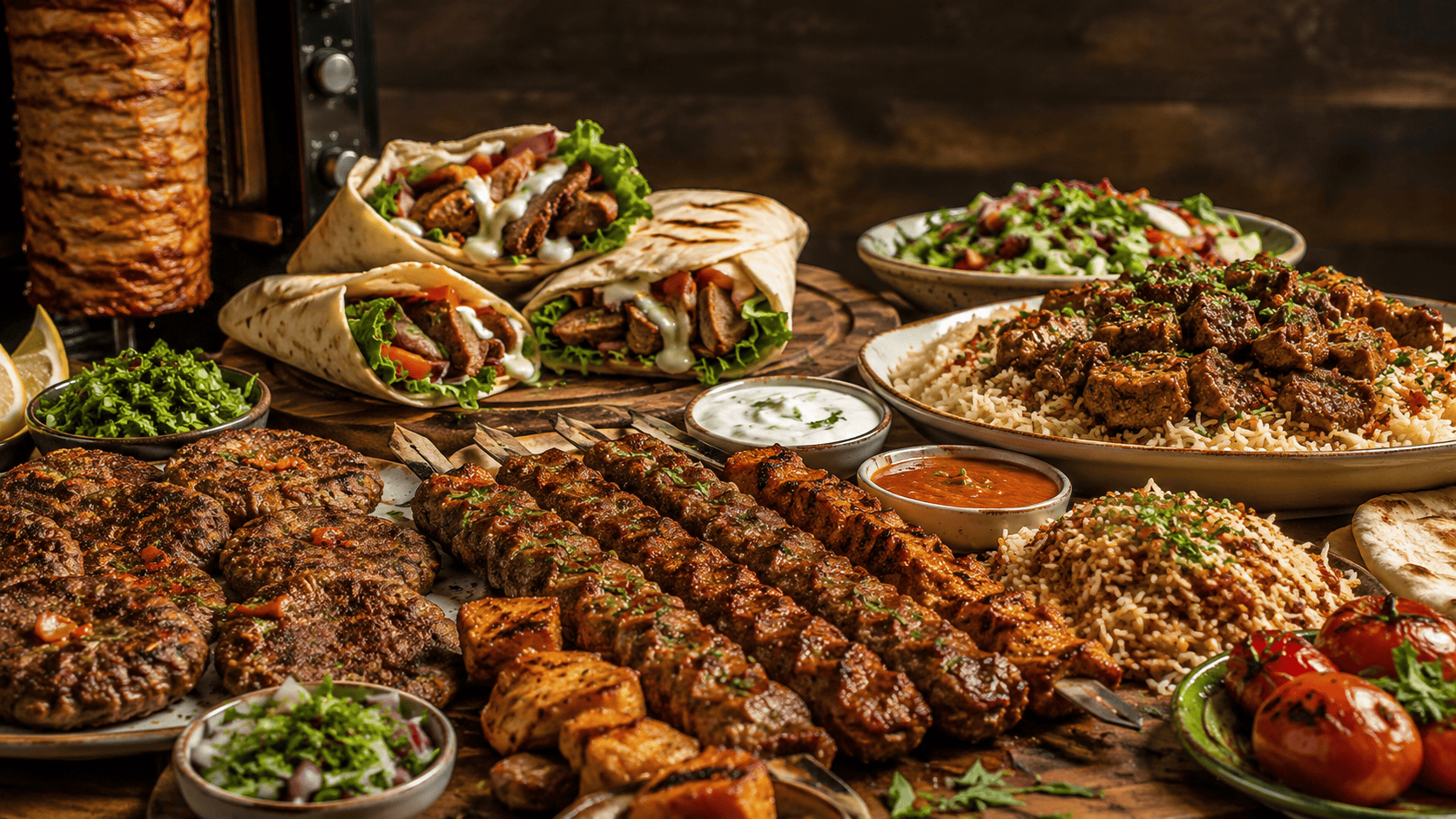
One of the reasons En Kebab remains so popular is its incredible variety. Different regions have developed unique versions that showcase local ingredients and culinary traditions. Shish kebab is perhaps one of the most recognizable forms. It typically consists of marinated meat cooked on skewers over a grill. Doner kebab features seasoned meat stacked on a vertical rotisserie and sliced thinly for serving. Seekh kebab, popular in South Asia, is made from spiced minced meat shaped around skewers before grilling.
Adana kebab, originating from Turkey, is known for its bold spices and distinctive preparation style. Other varieties include chicken kebab, lamb kebab, fish kebab, and vegetarian alternatives. This diversity ensures that kebab can appeal to a wide range of tastes and dietary preferences. The adaptability of kebab has contributed significantly to its global success.
The Art of Marination
A key element of exceptional kebab is the marinade. Marination enhances flavor, tenderizes meat, and contributes to the dish’s overall character. Different cultures use various combinations of herbs, spices, oils, and acidic ingredients to create distinctive flavor profiles. Common ingredients include yogurt, lemon juice, garlic, onion, cumin, coriander, paprika, and black pepper. The marination process allows these flavors to penetrate the meat, creating depth and complexity.
Some recipes call for only a few hours of marination, while others recommend overnight preparation for maximum flavor development. The balance of ingredients is crucial. Too much acidity can affect texture, while insufficient seasoning may result in a bland final product. Mastering the art of marination is one of the defining skills of experienced En Kebab chefs.
Traditional Cooking Techniques
Cooking techniques play a major role in determining the quality of En Kebab. Traditional methods often involve charcoal grills, which impart a distinctive smoky flavor that many enthusiasts consider essential. The direct heat of open flames creates a desirable combination of caramelization and tenderness. Proper temperature control is critical. Excessive heat can dry out the meat, while insufficient heat may prevent proper browning.
Experienced cooks understand how to balance these factors to achieve optimal results. Vertical rotisseries used for doner En Kebab represent another iconic cooking method. As the meat slowly rotates, outer layers are cooked and sliced while the remaining portions continue roasting. These traditional techniques have been refined over generations and remain central to authentic kebab preparation.
Ingredients That Make Kebab Special
The quality of ingredients significantly influences the final product. Fresh meat, aromatic spices, and complementary accompaniments contribute to a memorable dining experience. Lamb, beef, chicken, and fish are among the most common protein choices. Fresh herbs such as parsley, mint, and cilantro add brightness and complexity. Vegetables often accompany En Kebab, providing texture and nutritional balance.
Tomatoes, onions, peppers, and cucumbers are frequently included in traditional presentations. Flatbreads and rice serve as popular side dishes, helping create complete and satisfying meals. Sauces such as garlic yogurt, tahini, and chili-based condiments enhance flavor while adding variety. The careful selection and preparation of ingredients are essential elements of successful En Kebab cuisine.
Kebab as a Global Street Food
Street food culture has played an important role in the international spread of kebab. In cities around the world, En Kebab vendors provide convenient and affordable meals to locals and tourists alike. Street food versions often emphasize speed and accessibility without sacrificing flavor. Freshly grilled meat served in wraps, sandwiches, or boxes offers a satisfying option for busy customers.
The popularity of En Kebab as street food reflects its versatility and broad appeal. People from diverse cultural backgrounds enjoy kebab because it combines rich flavors with practical serving formats. Many travelers consider sampling local kebab variations an essential part of exploring new destinations. Street food culture continues introducing new audiences to this beloved dish.
Nutritional Aspects of Kebab
Kebab can be part of a balanced diet when prepared thoughtfully. Lean protein sources provide essential nutrients that support muscle maintenance and overall health. The inclusion of vegetables contributes vitamins, minerals, and dietary fiber. Grilling is often considered a relatively healthy cooking method because it requires less added fat than some alternatives.
However, nutritional value can vary depending on ingredient choices and serving styles. Portion sizes, sauces, and accompaniments influence overall calorie content. Health-conscious consumers increasingly seek En Kebab options that emphasize fresh ingredients and balanced nutrition. The adaptability of En Kebab allows it to meet a variety of dietary preferences and nutritional goals.
Modern Innovations in Kebab Cuisine
Contemporary chefs continue finding new ways to reinterpret traditional kebab concepts. Fusion cuisine has introduced creative combinations that blend influences from multiple culinary traditions. Plant-based kebabs have become increasingly popular as interest in vegetarian and vegan diets grows. Alternative proteins, innovative marinades, and modern presentation styles demonstrate the versatility of kebab cuisine.
Restaurants frequently experiment with unique ingredients while maintaining respect for traditional techniques. These innovations help ensure that En Kebab remains relevant in an evolving food landscape. The ability to adapt while preserving core characteristics is one reason for En Kebab enduring popularity. Modern interpretations expand the possibilities available to chefs and diners alike.
Why Kebab Remains So Popular
Several factors explain the lasting popularity of En Kebab. Its rich flavor profile appeals to a wide range of tastes. The dish can be customized using different meats, spices, and accompaniments. Its cultural significance adds depth and meaning beyond simple nourishment. Kebab also offers convenience. Whether enjoyed as a quick street food meal or as part of a formal gathering, it adapts easily to various dining situations.
The balance of tradition and innovation further contributes to its appeal. People appreciate authentic recipes while also embracing creative new variations. This combination of familiarity and flexibility ensures that kebab continues attracting new generations of food enthusiasts.
Conclusion
En Kebab represents far more than a simple grilled dish. It embodies centuries of culinary tradition, cultural exchange, and gastronomic creativity. From its historical origins in ancient cooking methods to its modern role as a global favorite, kebab has earned its place among the world’s most celebrated foods. Its remarkable diversity allows it to reflect the unique traditions of countless communities while maintaining universal appeal.
Through flavorful marinades, skilled preparation, and quality ingredients, kebab continues delivering memorable dining experiences to millions of people. As food culture evolves and new culinary trends emerge, kebab remains a timeless example of how simple ingredients and thoughtful preparation can create something truly extraordinary.
You May Also Read: MagnexusBuzz com