Introduction
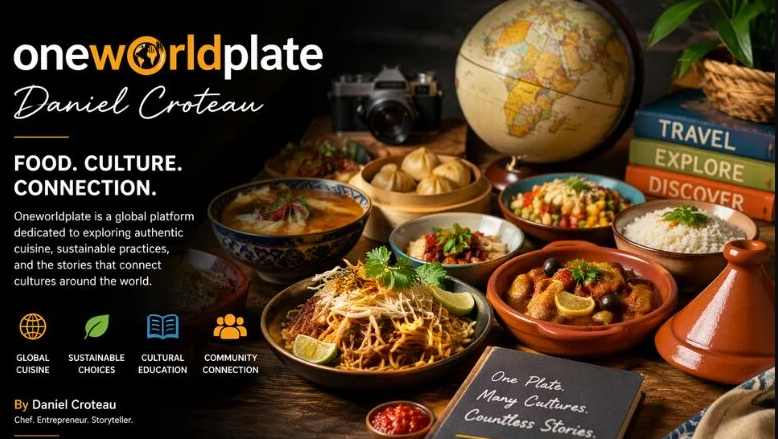
The phrase OneWorldPlate Daniel Croteau has gained attention among readers interested in global cuisine, food culture, and culinary storytelling. In today’s interconnected world, food is much more than nourishment—it serves as a bridge between cultures, traditions, and communities. Through recipes, travel experiences, and the sharing of authentic culinary practices, people gain a deeper appreciation for the diverse flavors that shape our world.
Projects associated with international food exploration often aim to introduce audiences to regional specialties, cooking techniques, and the cultural significance behind everyday meals. Rather than focusing solely on recipes, these platforms celebrate the stories, history, and traditions that make each cuisine unique. The concept behind OneWorldPlate reflects this growing interest in discovering global flavors while encouraging cultural understanding through food.
The Growing Interest in Global Cuisine
Global cuisine has become increasingly popular over the past few decades. International travel, digital media, cooking shows, and social platforms have introduced people to dishes that were once available only in their countries of origin. Today, diners can experience flavors from every continent without traveling far from home. This growing curiosity has inspired chefs, writers, photographers, and food enthusiasts to document culinary traditions and share them with wider audiences.
Platforms dedicated to international cuisine help preserve cultural heritage while encouraging appreciation for regional cooking styles. This article explores the broader themes associated with OneWorldPlate Daniel Croteau, highlighting the importance of culinary exploration, food education, and the role of cultural storytelling in bringing people together.
Food as a Universal Language
Food has the unique ability to connect people regardless of nationality or language. OneWorldPlate Daniel Croteau A shared meal often creates opportunities for conversation, friendship, and cultural exchange. Every region has traditional recipes that reflect local ingredients, historical influences, and family customs. Learning about another country’s cuisine often leads to greater understanding of its people, geography, and traditions.
Whether through home cooking or restaurant dining, food remains one of the most accessible ways to explore different cultures. European cuisines offer centuries of regional specialties shaped by geography and local agriculture. Exploring these differences enriches both culinary knowledge and cultural appreciation. Every meal tells a story, and every recipe reflects generations of cultural knowledge passed from one family to another.
The Concept Behind OneWorldPlate
The name OneWorldPlate Daniel Croteau suggests the idea that the world’s culinary traditions can be explored through a single shared appreciation for food. Rather than limiting attention to one country’s cuisine, this concept encourages curiosity about dishes from around the globe. Such an approach celebrates diversity while emphasizing the common values that food represents, including hospitality, creativity, and community.
One of the greatest strengths of international cuisine is its diversity. Asian dishes often emphasize balance, freshness, and aromatic spices. Mediterranean cooking highlights olive oil, vegetables, seafood, and herbs. Latin American cuisine combines indigenous ingredients with European and African influences. African culinary traditions showcase regional grains, vegetables, and vibrant spice blends.
The Importance of Authentic Recipes
Authentic recipes preserve traditions that have often been handed down through generations. While modern adaptations introduce creativity, traditional methods provide valuable insight into regional history and local customs. Authenticity involves more than ingredients alone. OneWorldPlate Daniel Croteau Preparation techniques, serving styles, family traditions, and seasonal practices all contribute to a recipe’s cultural significance.
Food-focused platforms frequently encourage readers to appreciate both classic recipes and respectful innovation. Food allows people to explore the world from their own kitchens. Every successful recipe builds confidence while inspiring further culinary exploration. Protecting local traditions benefits both communities and future food enthusiasts.
Culinary Storytelling
Recipes become even more meaningful when accompanied by stories. The history behind a family meal, the origins of a regional ingredient, or the memories associated with holiday celebrations add emotional depth to culinary experiences. Storytelling transforms cooking from a technical process into a cultural journey. Readers often connect more deeply with recipes when they understand the traditions that inspired them. This combination of food and storytelling continues attracting audiences worldwide.
Travel and cuisine naturally complement one another. Many travelers plan vacations specifically to experience local dishes and regional specialties. OneWorldPlate Daniel Croteau Street food markets, family-owned restaurants, cooking classes, and agricultural tours offer authentic insights into local culture. Even those unable to travel can recreate international experiences through recipes, documentaries, and culinary publications.
Supporting Local Food Traditions
Traditional cooking depends upon preserving regional ingredients and culinary knowledge. Local farmers, fishermen, bakers, cheesemakers, and artisans all contribute to maintaining authentic food cultures. Choosing traditional recipes and supporting regional food producers helps preserve culinary heritage for future generations. Food-focused educational platforms often emphasize sustainability alongside cultural preservation.
Cooking serves as an effective educational experience. OneWorldPlate Daniel Croteau Preparing unfamiliar dishes introduces new ingredients, techniques, and cultural perspectives. Children and adults alike develop practical skills while expanding their understanding of international traditions. Cooking also encourages creativity, patience, and appreciation for craftsmanship.
Healthy Eating Across Cultures
Many traditional cuisines naturally emphasize balanced nutrition. OneWorldPlate Daniel Croteau Mediterranean diets feature vegetables, legumes, olive oil, and seafood. Japanese cuisine often includes fish, rice, vegetables, and fermented foods. Latin American cooking incorporates beans, fresh produce, and whole grains. Indian cuisine offers diverse vegetarian dishes rich in spices and legumes.
Studying global culinary traditions reveals numerous approaches to healthy eating. These traditions demonstrate that nutritious meals can also be deeply flavorful. Technology continues expanding opportunities for culinary learning. Detailed instructions, photographs, and cultural explanations make international recipes more approachable.
Building Community Through Food
Communities often gather around shared meals. Family celebrations, neighborhood festivals, holiday dinners, and charitable events frequently center on traditional food. OneWorldPlate Daniel Croteau Preparing meals together strengthens relationships while passing culinary knowledge to younger generations. Food also creates opportunities for intercultural dialogue. People from different backgrounds often discover shared values through cooking and dining experiences.
This social aspect remains one of food’s greatest strengths. The internet has transformed culinary education. Online articles, videos, virtual cooking classes, and digital recipe collections allow people to learn from chefs and home cooks around the world. Food-focused platforms introduce audiences to ingredients that may previously have been unfamiliar.
Sustainability in Modern Cuisine
Sustainable cooking has become increasingly important. OneWorldPlate Daniel Croteau Many traditional food cultures naturally emphasize seasonal ingredients, minimal waste, and local sourcing. Modern chefs and food educators continue promoting these principles as environmental awareness grows. Supporting local agriculture, reducing food waste, and choosing sustainable ingredients contribute to healthier communities and ecosystems.
Culinary education increasingly includes discussions about responsible food practices. FOneWorldPlate Daniel Croteau ood education extends far beyond the kitchen. It promotes understanding, creativity, and respect for global diversity. Readers who explore diverse cuisines often gain greater appreciation for history, geography, agriculture, and cultural traditions.
The Lasting Appeal of Culinary Exploration
Interest in world cuisine continues expanding because food offers endless opportunities for discovery. Every country, region, and community contributes unique flavors, preparation methods, and culinary customs. Readers appreciate platforms that combine recipes with historical context, cultural insight, and practical cooking guidance. This holistic approach transforms ordinary meals into meaningful cultural experiences.
The joy of culinary exploration lies not only in tasting new dishes but also in understanding the people and traditions behind them. OneWorldPlate Daniel Croteau Global food exploration encourages lifelong curiosity. Young cooks develop confidence by experimenting with international recipes. Experienced chefs continue discovering new ingredients and techniques throughout their careers.
Conclusion
OneWorldPlate Daniel Croteau represents the broader appreciation for global cuisine, cultural storytelling, and the educational power of food. In an increasingly connected world, culinary exploration allows individuals to experience diverse traditions, discover new ingredients, and build meaningful connections across cultures. Whether learning traditional recipes, exploring regional specialties, supporting local food producers, or simply enjoying a meal inspired by another part of the world, food remains one of humanity’s most universal forms of expression.
It celebrates history, creativity, hospitality, and shared experiences that transcend borders. OneWorldPlate Daniel Croteau As interest in international cuisine continues to grow, platforms and projects dedicated to culinary education play an important role in preserving traditions while inspiring future generations of cooks and food enthusiasts.
You May Also Read: JoinCRS com